
Finding the Right Cooling Fit for Australian Living
Choosing the best type of cooling system for an Australian home is not always as simple as picking the biggest unit or the most familiar brand. Australia’s climate varies dramatically from one region to another, and the right choice for a coastal apartment in Sydney may not suit a brick family home in Adelaide, a Queensland property exposed to humidity, or a regional house dealing with dry inland heat.
A good cooling system should match the way the household actually lives. That includes the number of rooms used each day, how well the home is insulated, how much direct sun enters through windows, whether the household needs heating as well as cooling, and how much the owner is willing to spend upfront versus over time. The best option is usually the one that balances comfort, running costs, installation requirements, and maintenance.
Australian homeowners have several common choices, including split systems, ducted reverse-cycle systems, evaporative cooling, window units, portable units, and multi-head systems. Each has advantages. Each also has limitations. Understanding those differences can make it easier to invest in a system that performs well through summer without creating unnecessary energy costs or maintenance issues.
Match the System to the Home Before Comparing Brands
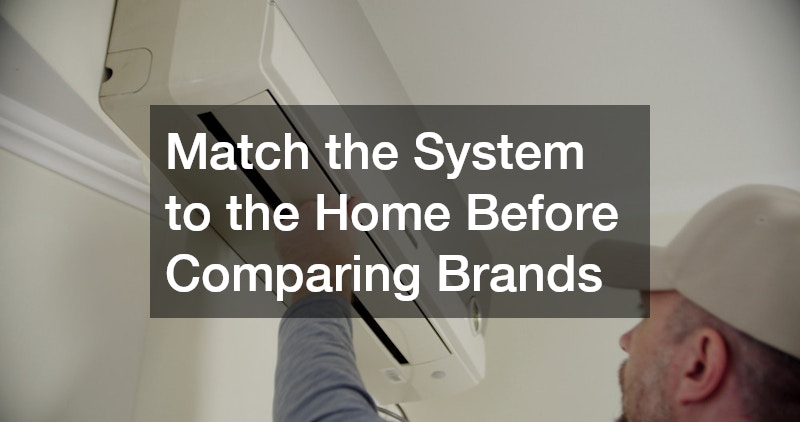
Before comparing models, prices, or features, homeowners should think carefully about the home itself. The size of the property matters, but so does the layout. An open-plan living area needs a different cooling approach from a home with several closed-off bedrooms. High ceilings, poor insulation, large west-facing windows, and dark roofing materials can also increase cooling demand.
Climate is just as important. In hot, dry areas, evaporative cooling may work well because it uses water evaporation to cool incoming air. In humid regions, refrigerated systems are usually more effective because they remove heat and moisture from the indoor environment. Coastal homes may also need equipment that can handle salty air, while inland homes may require systems that perform consistently during extreme temperatures.
A professional heat load assessment can help determine the correct capacity. Choosing a unit that is too small can leave the home uncomfortable and force the system to work too hard. Choosing one that is too large can waste energy, cycle on and off too often, and reduce humidity control. Capacity should be based on room size, insulation, windows, orientation, number of occupants, and local weather conditions.
This is where advice from a local air conditioning specialist can be useful. A provider familiar with the area can assess how the local climate affects system performance and recommend options that suit the property rather than relying only on generic estimates.
Use Split Systems for Efficient Room-by-Room Cooling
Split systems are one of the most popular choices for Australian homes because they are practical, efficient, and relatively flexible. A standard split system includes an indoor wall-mounted unit and an outdoor compressor. The indoor unit cools or heats one main area, such as a bedroom, lounge room, home office, or open-plan living space.
For smaller homes, apartments, townhouses, and households that only need to cool certain rooms, a split system can be a smart choice. It allows homeowners to run cooling only where it is needed instead of treating the entire house. This can help reduce energy use, particularly if most daily activity happens in one or two rooms.
Reverse-cycle split systems also provide heating, which makes them useful in areas with cold winters or cooler nights. Instead of installing separate heating equipment, homeowners can use the same system year-round. Many modern split systems include inverter technology, which adjusts compressor speed rather than simply switching fully on or off. This helps maintain a steadier temperature and can improve energy efficiency.
The main limitation is coverage. One indoor unit is not designed to cool an entire large home unless the layout is very open and the unit is appropriately sized. Bedrooms behind closed doors may remain warm, and long hallways can restrict airflow. For households wanting comfort in several rooms, multiple split systems or a multi-head system may be required.
Consider Whole-Home Comfort When Several Rooms Need Cooling
Ducted reverse-cycle systems are designed to cool and heat the entire home through ducts installed in the ceiling or under the floor. Air is delivered through vents in each room, while the main indoor unit and outdoor compressor do the heavy work. For larger homes, growing families, or homeowners who want consistent comfort throughout the property, ducted cooling can be very appealing.
One of the biggest benefits is convenience. Instead of managing several wall units, the household can control comfort from a central thermostat. Many ducted systems include zoning, which allows different parts of the home to be cooled separately. This can reduce running costs because unused rooms do not need the same level of cooling as occupied spaces.
Ducted systems also have a cleaner visual appearance. Because most components are hidden, there are no wall-mounted indoor units in each room. This is a major advantage for homeowners who care about interior design or want a more integrated system.
The trade-off is cost. Ducted systems usually cost more to install than split systems, especially if ductwork is difficult to fit into an existing home. They also need careful design. Poor duct layout, undersized equipment, or inadequate zoning can lead to uneven temperatures and higher power bills. Homeowners should seek detailed quotes, ask about zoning options, check energy ratings, and make sure the installer properly assesses the property.
Think About Dry Heat Before Choosing Evaporative Cooling
Evaporative cooling can be a good option in dry parts of Australia. These systems draw warm outside air through water-soaked pads, cooling the air before distributing it through the home. Unlike refrigerated air conditioning, evaporative systems rely on fresh airflow, so windows or doors must usually be left slightly open to allow air to escape.
The main advantage is low running cost. Evaporative systems often use less electricity than refrigerated systems because they do not rely on a compressor in the same way. They can also provide a steady supply of fresh air, which some people find more comfortable than recirculated indoor air.
However, evaporative cooling is climate-dependent. It works best when the air is hot and dry. In humid conditions, the system becomes less effective because the air is already holding moisture. This means it may not be the best choice for many coastal or tropical areas. It also does not provide the same precise temperature control as refrigerated cooling.
Maintenance is another factor. Pads, water distribution systems, filters, and ducts need regular attention. If the system is not cleaned and serviced, it can develop odours, reduced airflow, mineral buildup, or poor performance. Households considering evaporative cooling should weigh the lower running costs against climate suitability and upkeep requirements.
Look at Multi-Head Systems for Flexible Zoning
A multi-head split system connects several indoor units to one outdoor compressor. This can be a practical middle ground between individual split systems and full ducted cooling. Each indoor unit can be placed in a different room, allowing the household to cool bedrooms, living areas, or workspaces separately.
This option is useful when homeowners want room-by-room control but do not want several outdoor units around the property. It can also be suitable for homes where installing ductwork is too difficult or expensive. Each room can have its own indoor unit and temperature setting, which helps avoid cooling unused spaces.
Multi-head systems can be efficient when used thoughtfully. For example, a household may cool the living area during the day and bedrooms at night. This targeted approach can reduce waste compared with running one large system across the entire home. It also gives family members more control over comfort in their own spaces.
The main consideration is system design. The outdoor unit must be sized correctly for the connected indoor units. If too many rooms are demanding cooling at once, performance may suffer unless the system has enough capacity. Installation can also be more complex than a single split system, so proper planning matters.
Use Portable and Window Units Only in the Right Situations
Portable and window units can be tempting because they are often cheaper upfront and do not always require major installation work. For renters, small apartments, temporary rooms, or short-term cooling needs, they may provide relief without the commitment of a fixed system.
Portable units can be moved from room to room, although they still require a window kit to vent hot air outside. Window units are fitted into a window or wall opening and can cool small spaces reasonably well. These options can work for bedrooms, home offices, or occasional use in areas where permanent installation is not possible.
However, they usually have limitations. Portable units can be noisy, less efficient, and less powerful than split systems. They may struggle during extreme heat, especially in larger rooms. Window units can block natural light, may not suit all window types, and can be less visually appealing. Some rental properties or body corporate rules may also restrict their use.
For homeowners planning to stay in a property long term, a fixed system is usually a better investment. Portable and window units are best treated as temporary, supplemental, or budget-limited solutions rather than the top choice for whole-home comfort.
Compare Running Costs Instead of Focusing Only on Purchase Price

The cheapest system upfront is not always the cheapest system to own. Running costs can make a significant difference over several summers. A lower-priced unit that uses more electricity may cost more in the long run than a more efficient system with a higher initial price.
Energy ratings are important, but they should be considered alongside system size and usage habits. A highly efficient system that is too small for the space may still perform poorly. Likewise, a large ducted system may be expensive to run if zoning is not used properly. Homeowners should think about how often the system will run, which rooms need cooling, and whether the home has insulation or shading problems that increase energy demand.
Simple habits can also reduce costs. Setting the thermostat to a moderate temperature, closing blinds during the hottest part of the day, sealing gaps, using ceiling fans, and cooling only occupied areas can all help. A well-insulated home will usually need less energy to stay comfortable.
Smart controls can make a difference too. Timers, app controls, motion sensors, and zoning features can prevent unnecessary operation. For households with solar panels, daytime cooling may be more cost-effective, depending on energy tariffs and usage patterns.
Maintain the System So It Keeps Performing Well
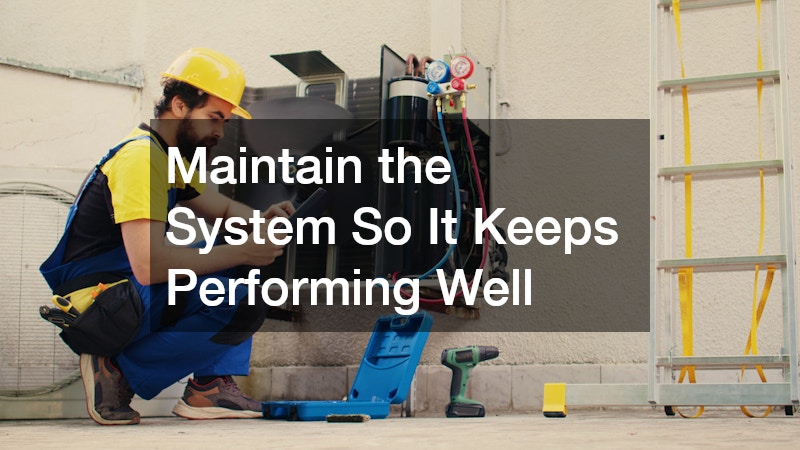
Even the best cooling system will lose efficiency if it is neglected. Dust, blocked filters, dirty coils, clogged drains, and worn components can reduce airflow and force the system to work harder. This can increase electricity use, shorten equipment life, and affect indoor comfort.
Regular ac cleaning helps keep the system running properly. Homeowners can usually clean or replace filters according to the manufacturer’s instructions, keep outdoor units clear of leaves and debris, and check that vents are not blocked by furniture. Outdoor units should have enough space around them for airflow, and indoor units should not show signs of mould, water leaks, or unusual odours.
There are also signs that professional air conditioning repair may be needed. These include weak airflow, warm air coming from the unit, loud noises, water leaks, burning smells, frequent cycling, rising energy bills, or a system that struggles to reach the set temperature. Ignoring these warning signs can turn a small problem into a larger and more expensive one.
A yearly service is often worthwhile, especially before summer. A technician can inspect electrical components, refrigerant levels, drainage, coils, fans, controls, and overall operation. Preventive maintenance is not just about comfort. It also helps protect the investment.
Balance Comfort, Cost, Climate, and Long-Term Value
The best type of cooling for an Australian home depends on the household’s priorities. A single split system may be ideal for an apartment, bedroom, or small living area. Multiple split systems or a multi-head system can suit homes where different rooms are used at different times. Ducted reverse-cycle cooling may be the strongest choice for larger homes where whole-house comfort is the goal. Evaporative cooling can be excellent in dry climates but less suitable in humid regions.
Homeowners should think beyond the first hot day of summer. The right system should still make sense years later. That means considering purchase price, installation cost, running expenses, maintenance, repair access, warranty coverage, and how the home may be used in the future. A growing family, a new home office, renovation plans, or changing energy costs can all affect the decision.
There is no single answer that suits every Australian property. The strongest choice is the one matched to the home’s layout, the local climate, and the way people live day to day. By comparing options carefully and getting qualified advice before installation, homeowners can choose a system that keeps the home comfortable without creating unnecessary costs or complications.