When it comes to dressing your windows, curtains can completely transform a room—adding softness, style and function. But even the most beautiful curtains can look awkward if they’re hung too low, too narrow or without consideration for scale.
From refreshing a living room to refreshing your bedroom or dining area, the placement and fit of your curtains matter just as much as the fabric you choose.
In this guide, we’ll walk you through how to hang curtains like a pro, from choosing the right height and width to getting the perfect drape.
Why Proper Curtain Placement Matters
Curtains aren’t just decorative—they influence how light enters your space, how tall your ceilings feel and how cohesive your design appears. When hung well, curtains can make windows look larger, rooms feel taller and interiors more polished. On the other hand, poor placement can make even expensive curtains look awkward or out of place.
Measure Before You Buy
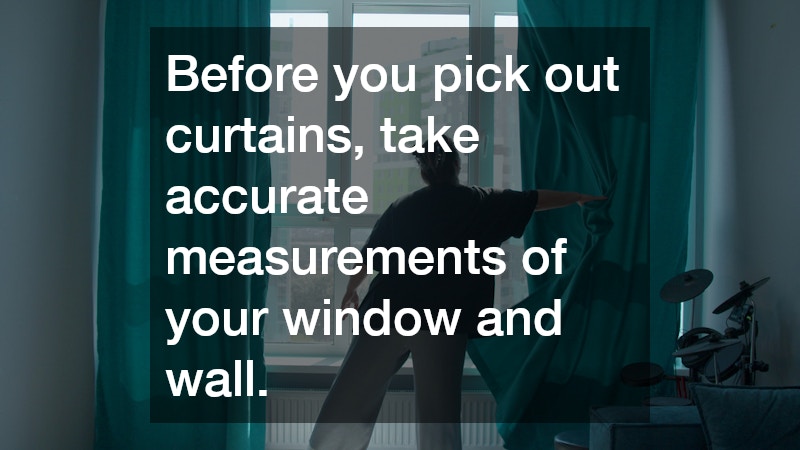
Before you pick out curtains, take accurate measurements of your window and wall. Measure the width of the window frame and decide how far beyond the frame you want the curtains to extend. As a rule of thumb, curtains should extend 8–15 cm beyond each side of the window frame so they fully clear the glass when open.
For length, decide if you want curtains that just touch the floor, hover slightly above it or puddle for a more luxurious look. Always measure from the curtain rod or track to the desired hemline—not just the window height.
Hang Curtains High for Height
One of the easiest ways to make a room feel bigger is to hang your curtains higher than the window frame. Aim to place the curtain rod 10–15 cm above the top of the window frame—or even closer to the ceiling if your ceilings are lower. This draws the eye upwards, creating the illusion of taller windows and higher ceilings.
If you have very tall ceilings, consider hanging the rod even higher—as long as it remains balanced with other room elements, such as furniture and wall décor.
Extend Curtains Wide for More Light
Curtains that are too narrow make windows look smaller and block light even when fully open. To avoid this, choose curtain panels that are at least 1.5 to 2 times the width of the window. This ensures they gather nicely when closed and stack back neatly when open.
When mounting the rod, extend it beyond the window frame—ideally about 8–15 cm on each side. This allows the curtains to fully extend outside the window when drawn, letting in maximum light and offering an unobstructed view.
Choose the Right Hardware
The curtain rod and hardware you choose should be sturdy enough to support the weight of your curtains. Heavier fabrics, such as velvet or lined drapes, require robust rods and secure wall anchors. Slim rods can work for lighter sheers, but if you’re layering curtains (for example, sheers with blockout panels), invest in double rods or tracks to accommodate both.
Finials (the decorative end pieces) aren’t just for looks—they also keep curtains from sliding off the ends of the rod. Choose finials that complement your décor style for a polished finish.
Consider Curtain Length Styles
Curtain length affects the overall feel of the room:
- Floor-grazing: Curtains that just touch the floor create a clean, modern look.
- Puddling: Curtains that slightly pool on the floor add drama and luxury—great for formal spaces.
- Floating: Curtains that hang a few centimetres above the floor are practical for high-traffic areas or rooms with pets.
Pick a style that suits both your aesthetic and lifestyle.
Layering Curtains for Function & Style
Layering curtains—for example, combining sheers with heavier blockout panels—adds depth and flexibility. Sheers filter light during the day, while heavier curtains provide privacy and insulation at night. When layering, use a double-rod or track system and ensure each layer hangs smoothly without catching.
Final Adjustments & Styling
Once your curtains are hung, step back and assess the look. Are they level? Do they open and close smoothly? If the fabric looks flat, give the curtains a gentle steam to remove wrinkles and help them hang better.
Small touches like curtain tiebacks can also enhance the look and make your windows feel more intentional and styled.